Direct Cinema
The Film Massachusetts Banned for Twenty-Four Years
A Camera Inside Bridgewater
Documentary film — the makers, the works and the movements, from 1922 to now.
Flaherty held the seal hole as long as the wait lasted. The argument about what a documentary is was finished before anyone thought to start it.
Seven movements, in the order they happened
The flagship piece
The first documentary was also the first argument about what a documentary could be: Flaherty's Nanook of the North staged the life it claimed to show.
The walrus was real. The harpoon was chosen over a rifle for the camera's benefit. Both things are true, and the form has been arguing about them for a hundred and four years.
He coined the word and then built the thing: the Empire Marketing Board unit, the GPO Film Unit from 1933, the National Film Board of Canada in 1939. His own Drifters (1929) is dutiful. What the unit produced was not.
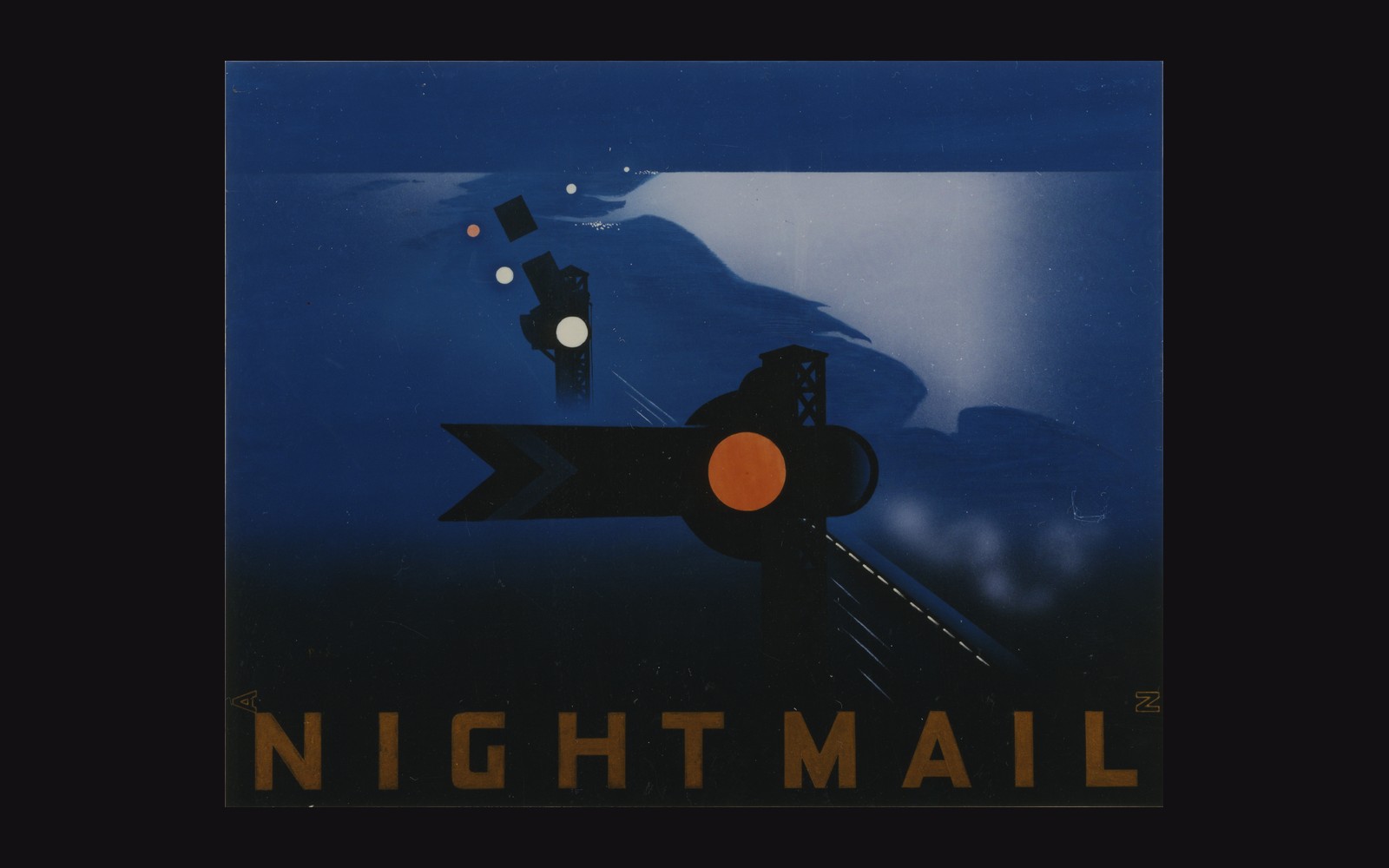
Night Mail (1936) ends with Auden's verse cut against Britten's score and the rhythm of the train, and it still moves at the speed it was made at. Humphrey Jennings, whom Grierson never much liked, made Listen to Britain (1942) with almost no commentary at all — an argument that the sound of a country is the documentary.
Seven years before any of it, Vertov had answered Flaherty with the opposite bet: no story, no titles, no actors, and the man carrying the machine left in the frame.
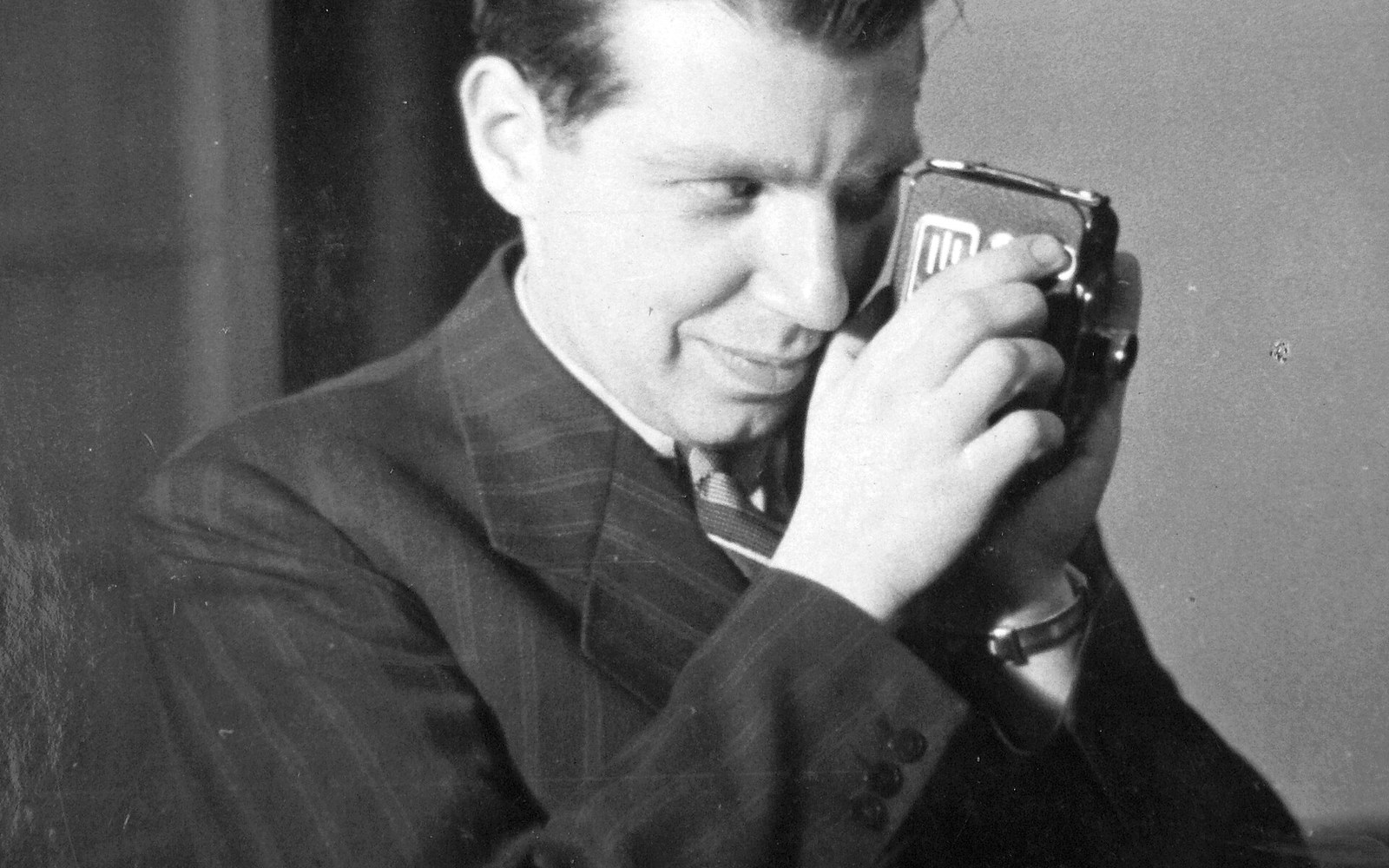
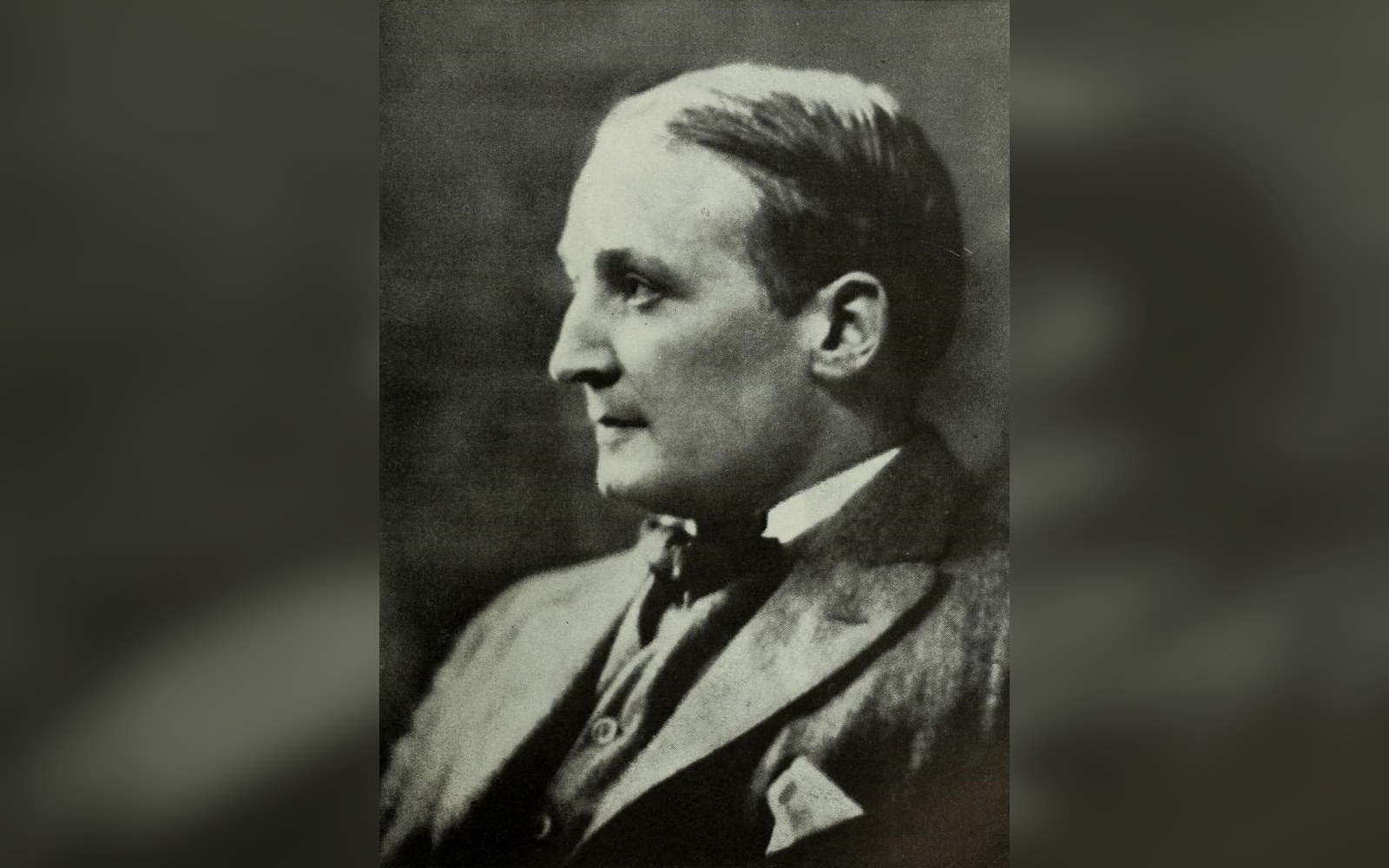
“A creative treatment of actuality.”John Grierson, First Principles of Documentary, 1932 — the definition he is stuck with
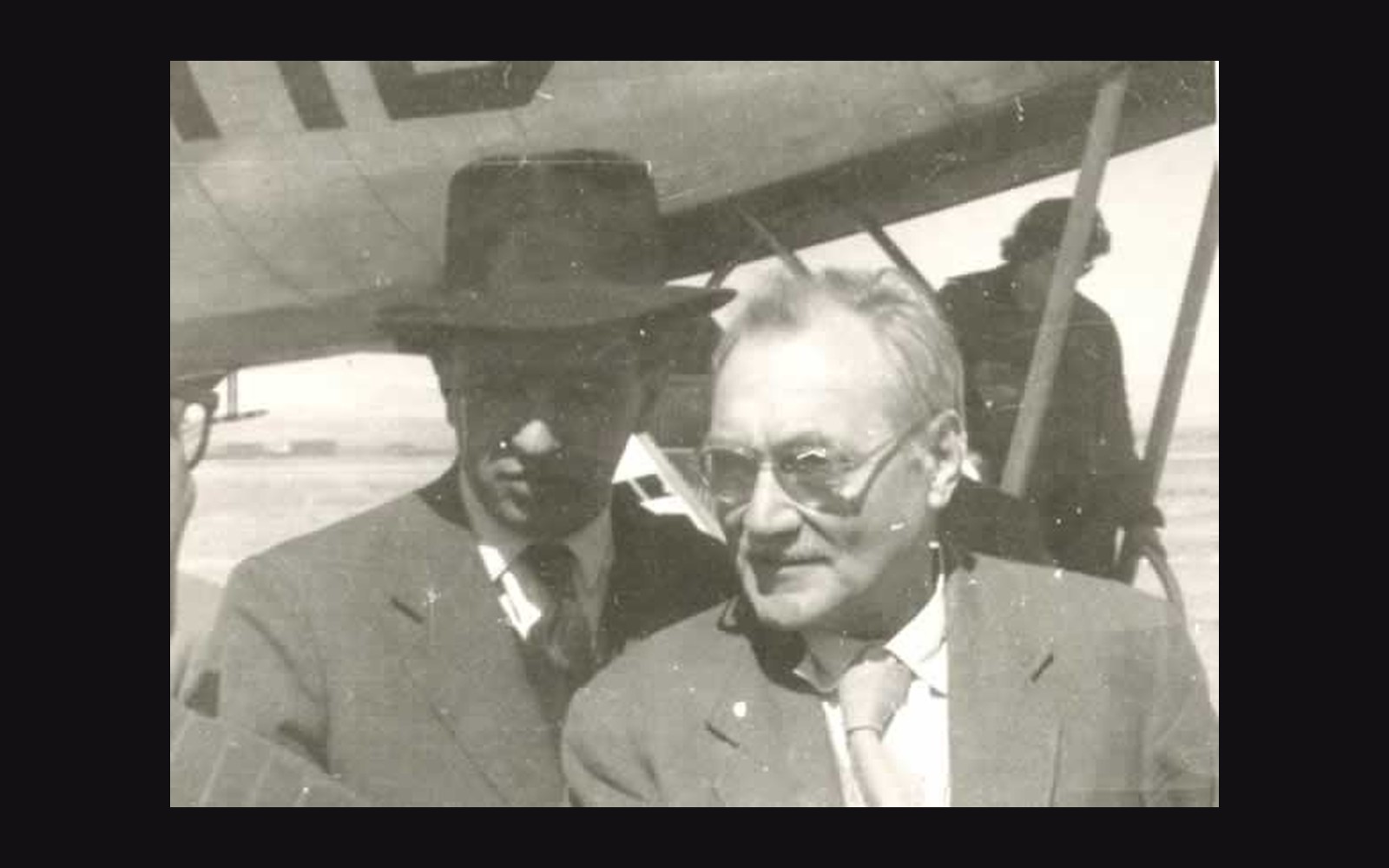 Photo: John Grierson · Wikimedia Commons
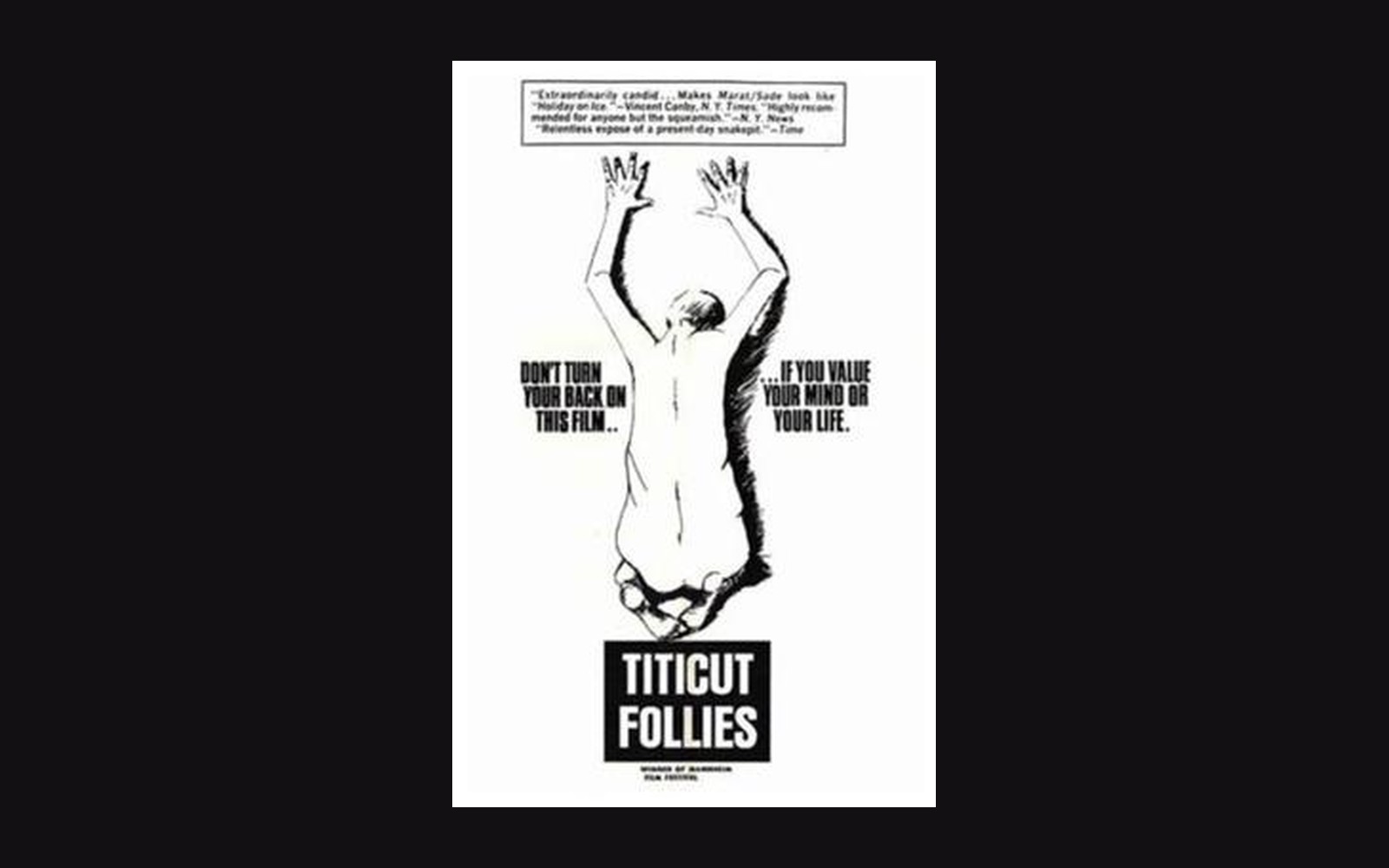
An Éclair NPR paired to a Nagra III, crystal-locked, no cable between them. Drew Associates shot Primary (1960) on that principle and the form changed inside a decade — Pennebaker's Dont Look Back (1967), the Maysles' Salesman (1969), Wiseman's Titicut Follies (1967). In Paris, Rouch and Morin used the same kit for the opposite purpose and called it cinéma vérité.
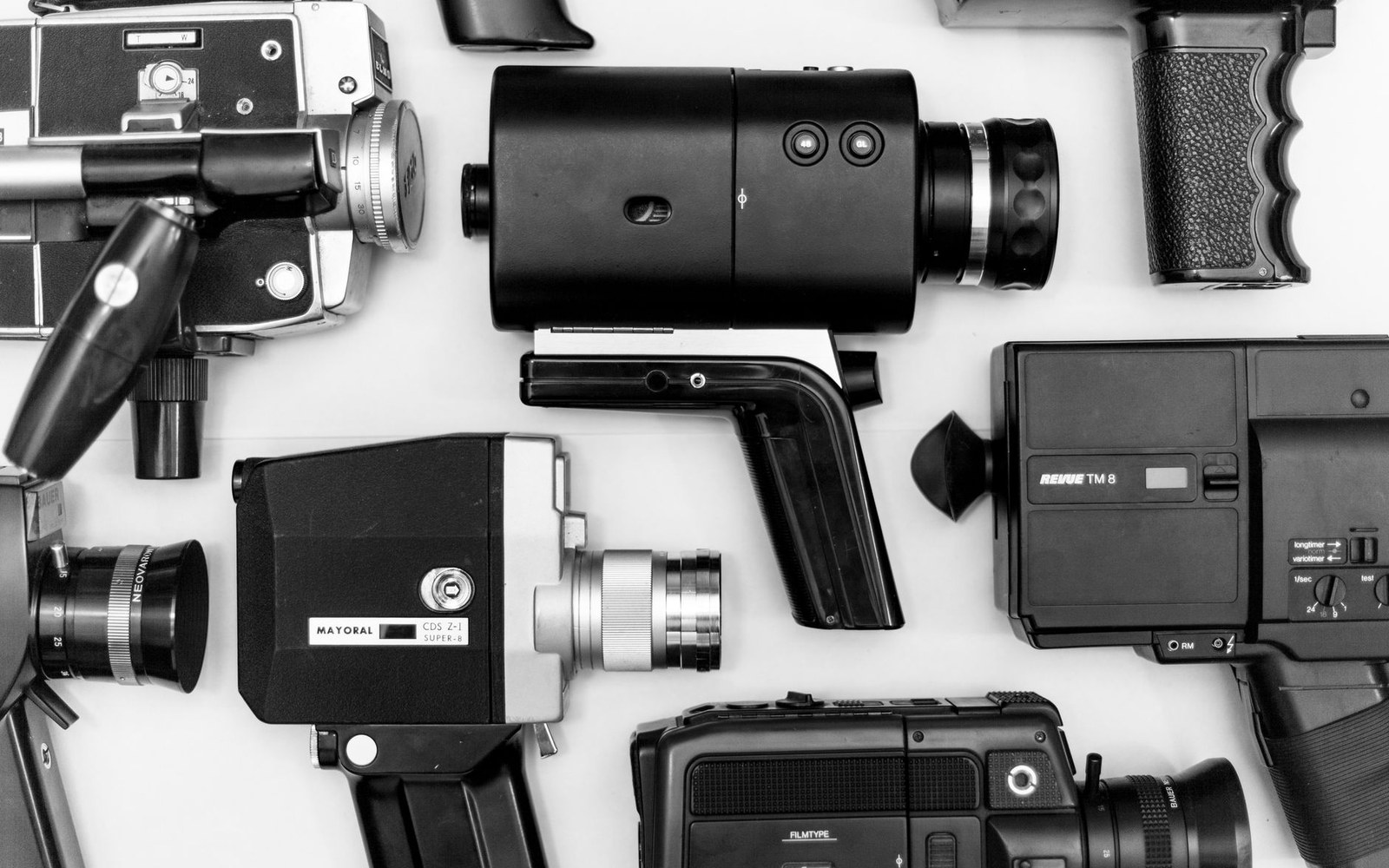
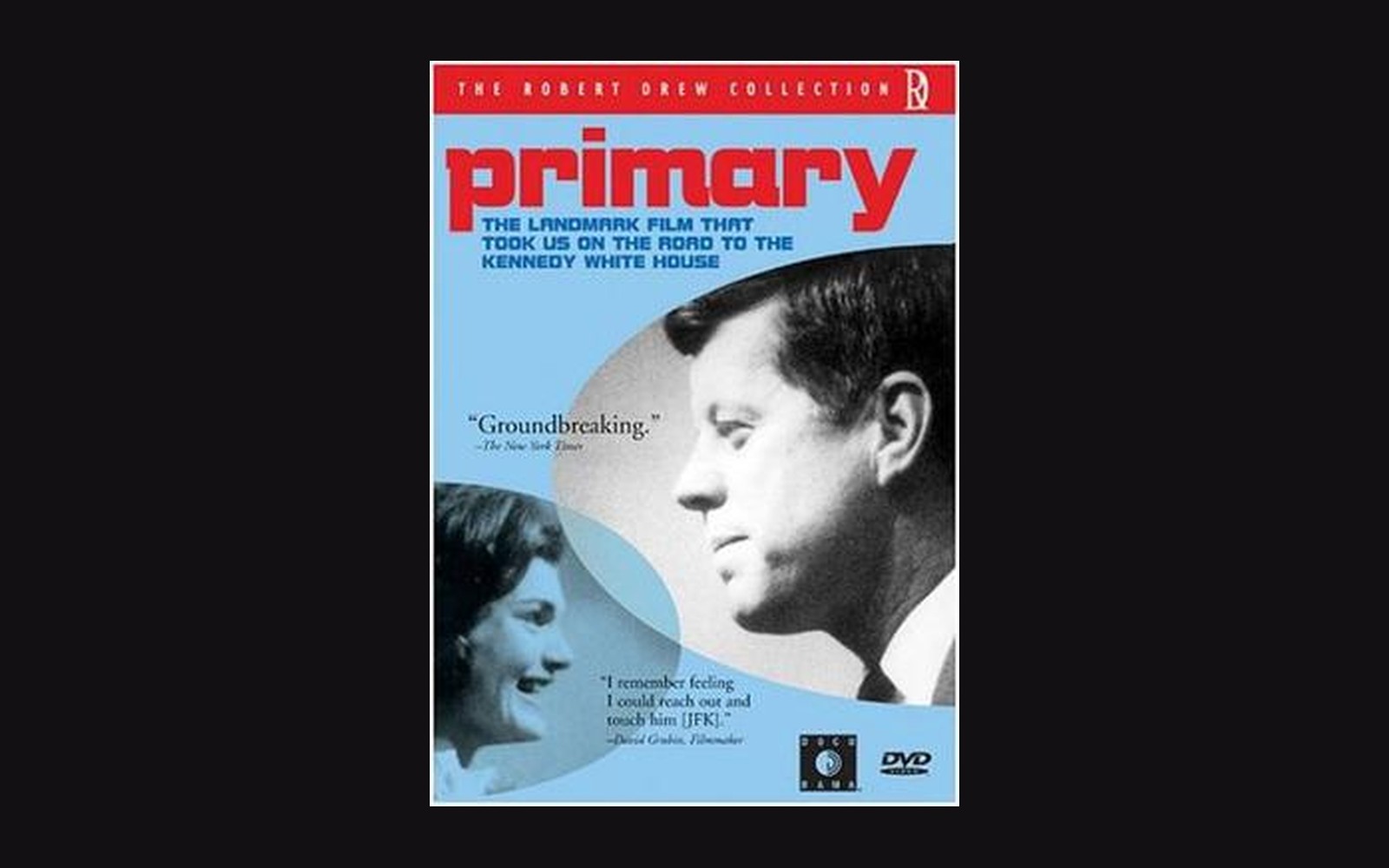
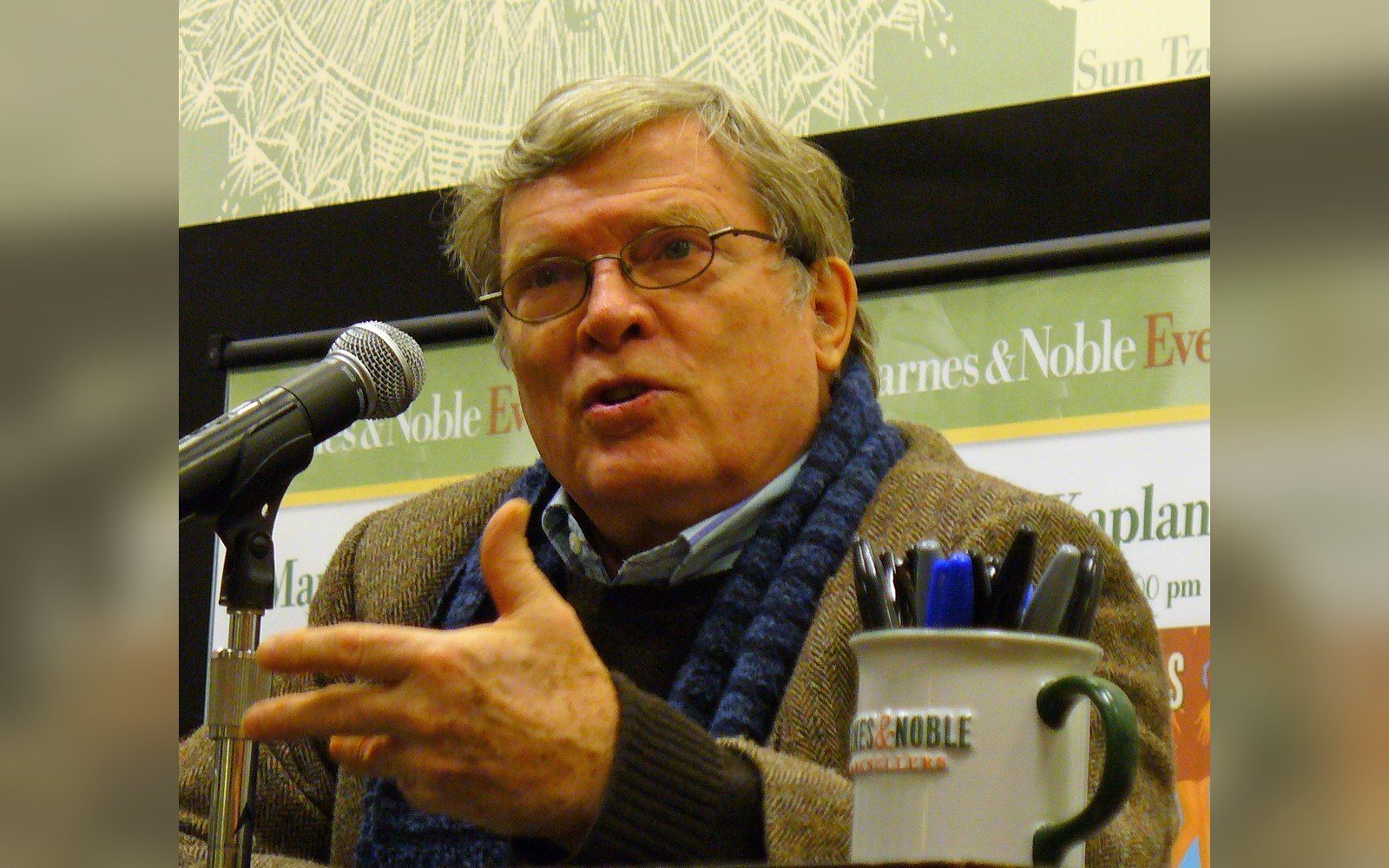
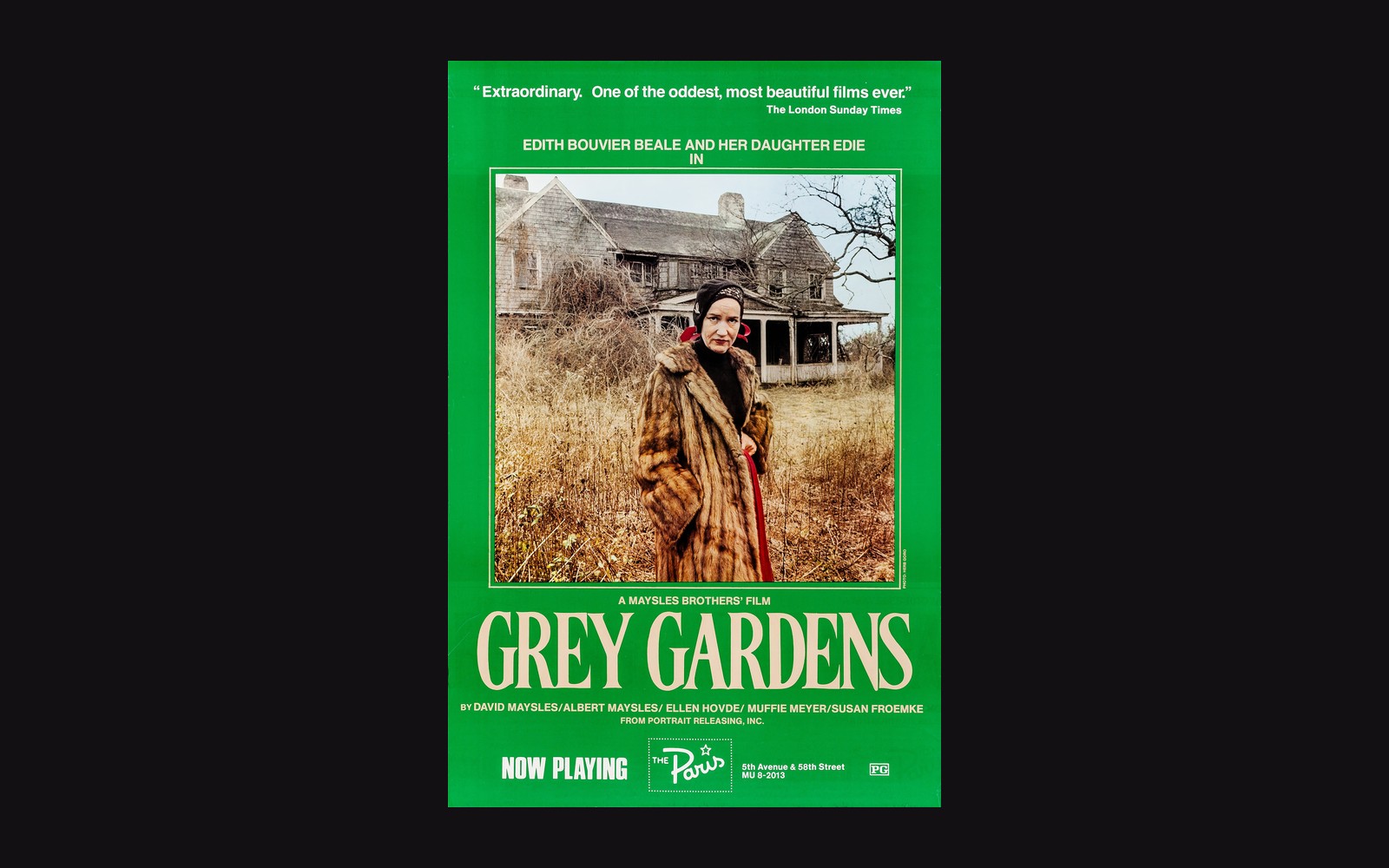
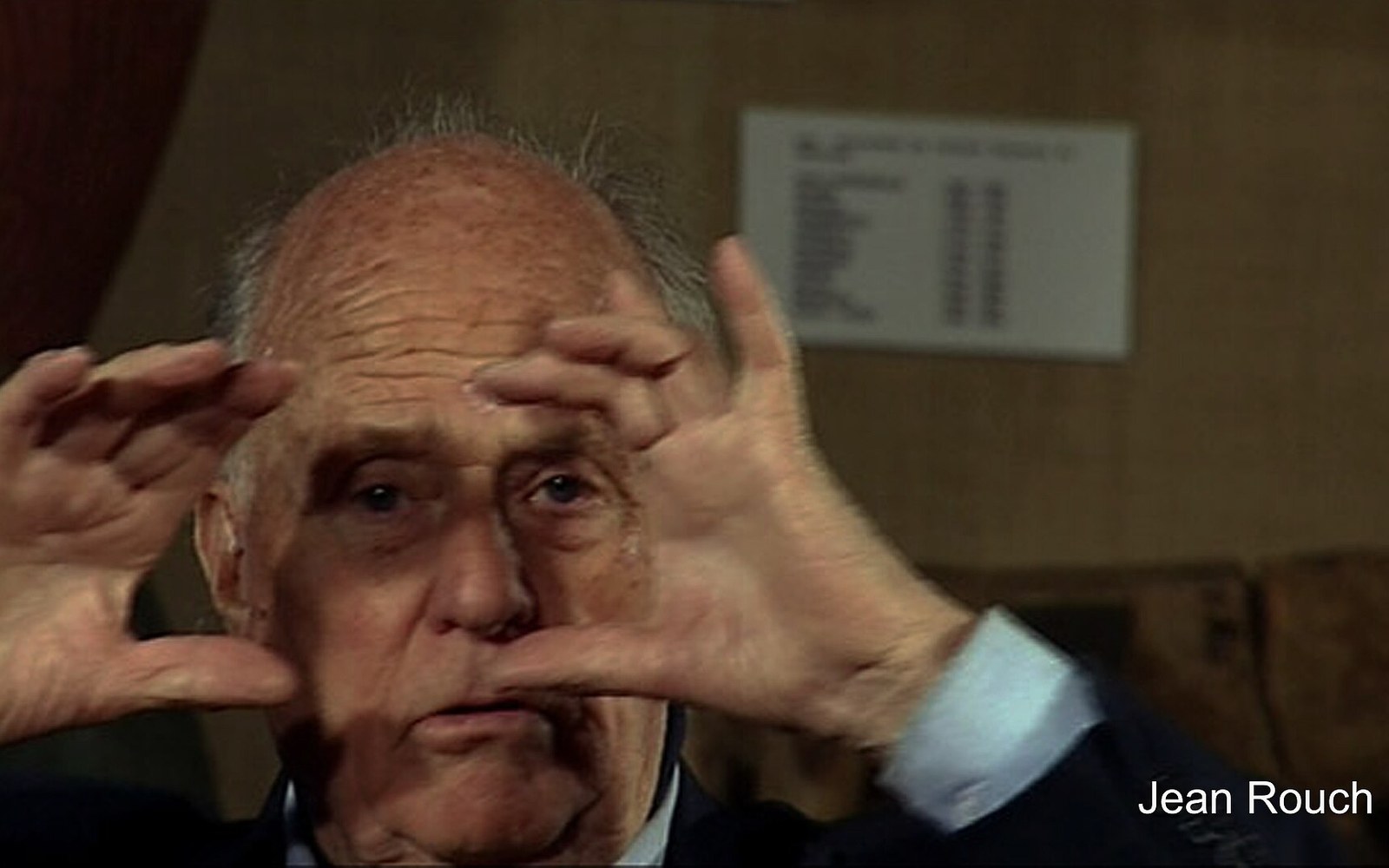
Éclair NPR · 1960 · Primary · 1960 · Dont Look Back · 1967 · Grey Gardens · 1975 · Titicut Follies · 1967 · Chronicle of a Summer · 1961
Direct Cinema
A Camera Inside Bridgewater
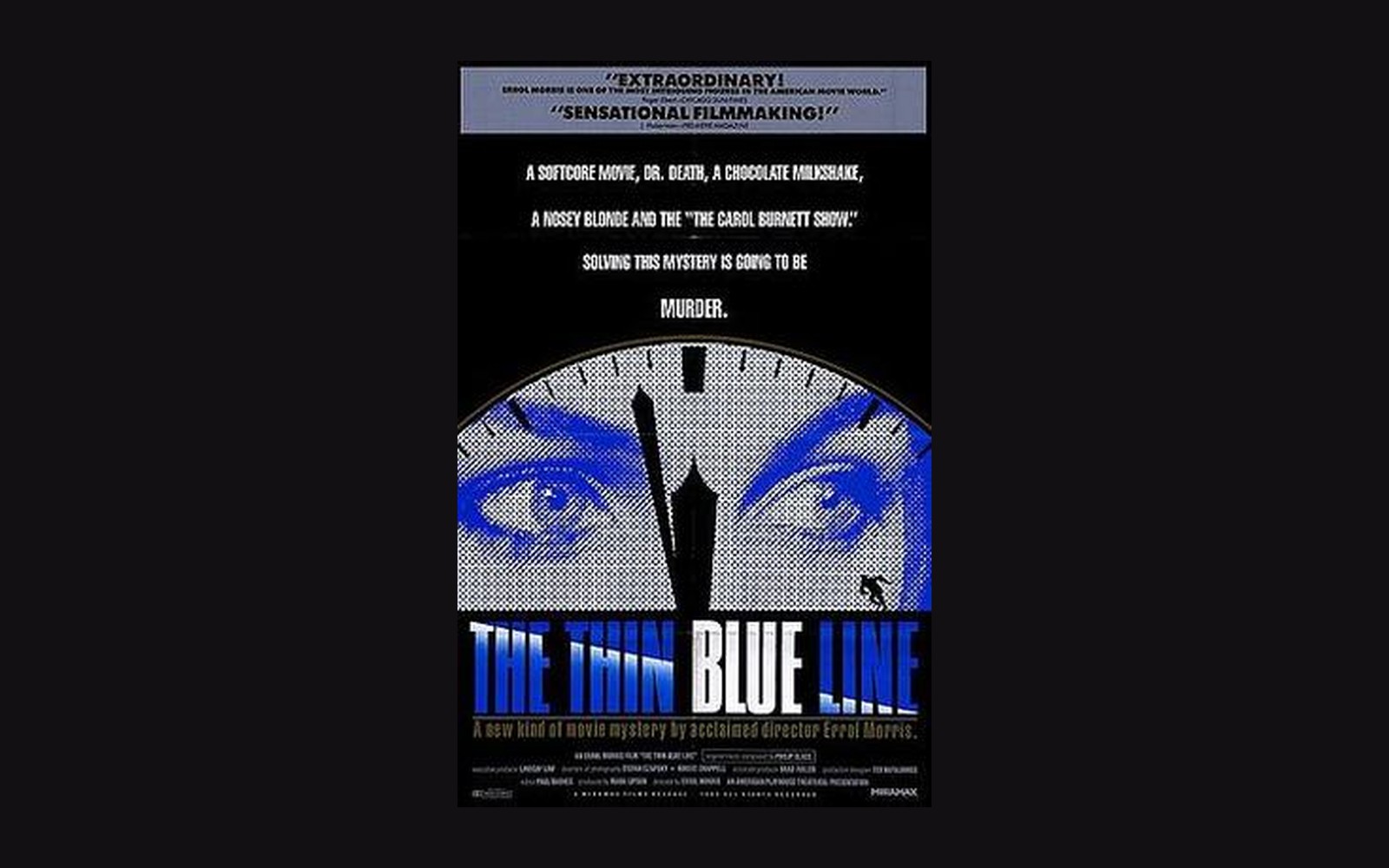
Essay Film
A Murder, Staged and Restaged
Robert Flaherty1884 – 1951Invented the form and staged it in the same gesture.John Grierson1898 – 1972Coined the word, then built the units that made the films.Jean Rouch1917 – 2004Held that the camera was a provocation, not a witness.D. A. Pennebaker1925 – 2019Put the sequence first and refused to explain it.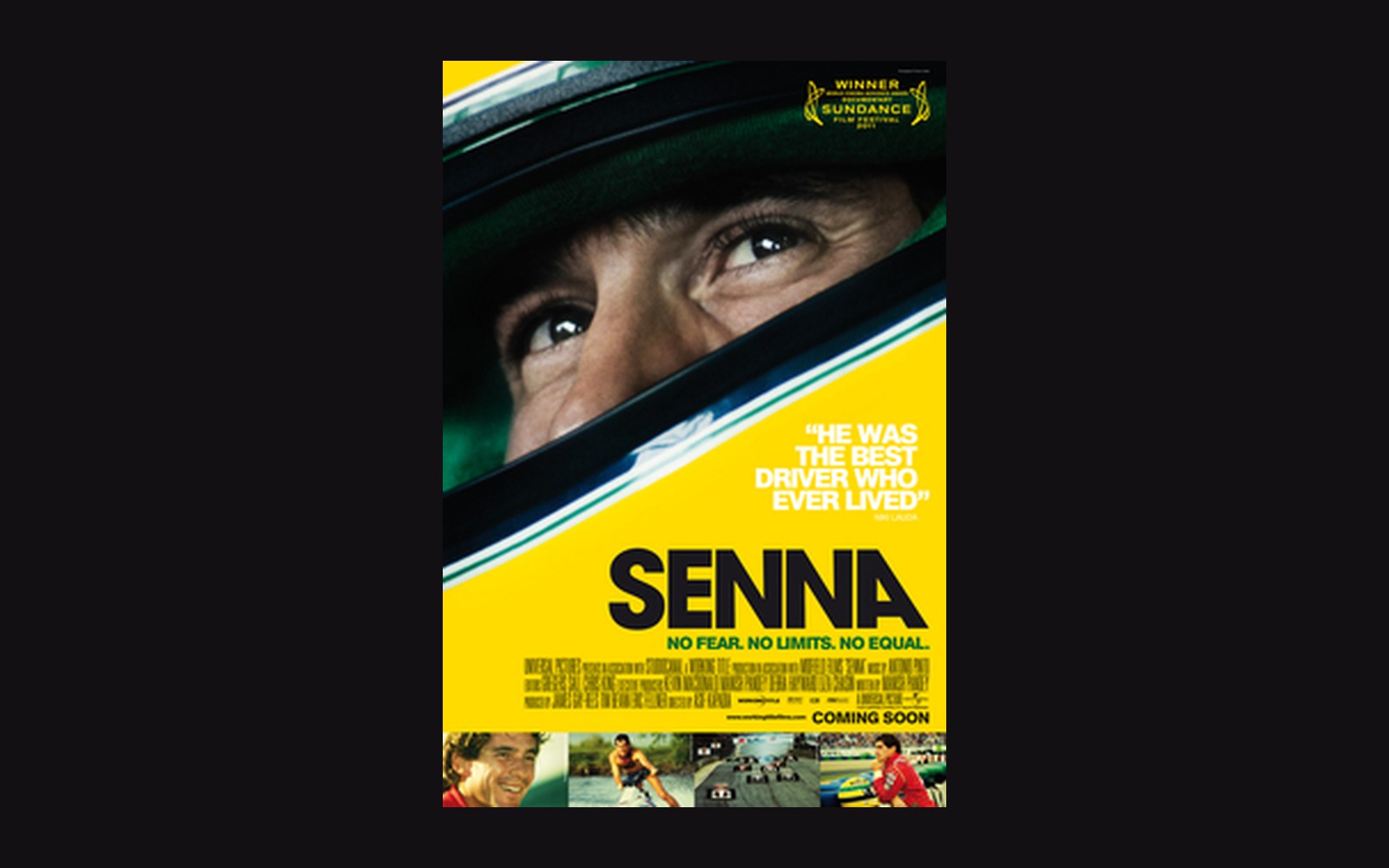 Asif Kapadiaborn 1972Built two features from archive alone, with no interviews shot.
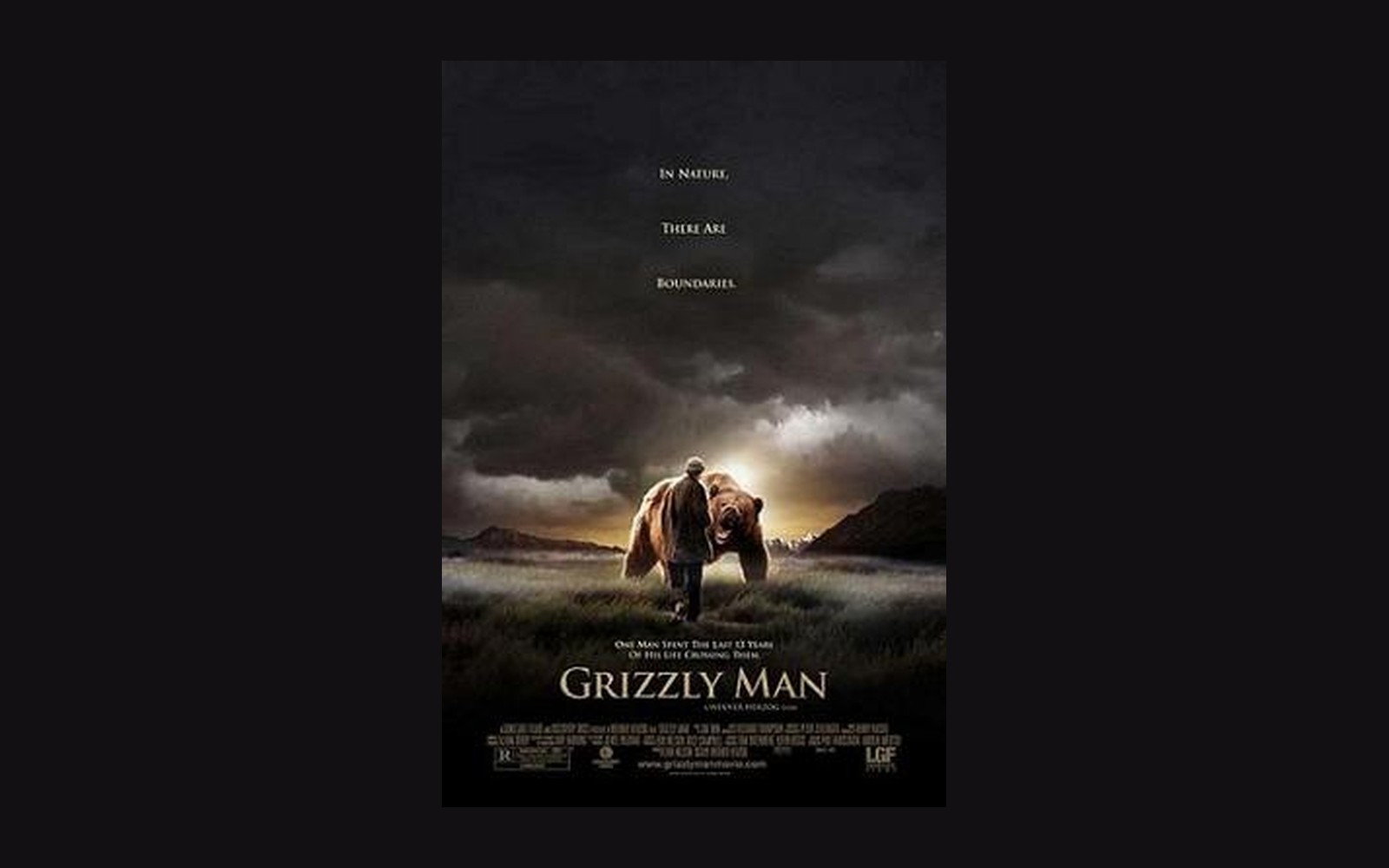 Werner Herzogborn 1942Stayed audible in his own films and judged them out loud.
Where each movement actually worked, from Flaherty's winter on Hudson Bay to the Drew Associates rooms in Massachusetts.
The Showroom has hosted DocFest since 1994, and what sells there sets a year of British commissioning.
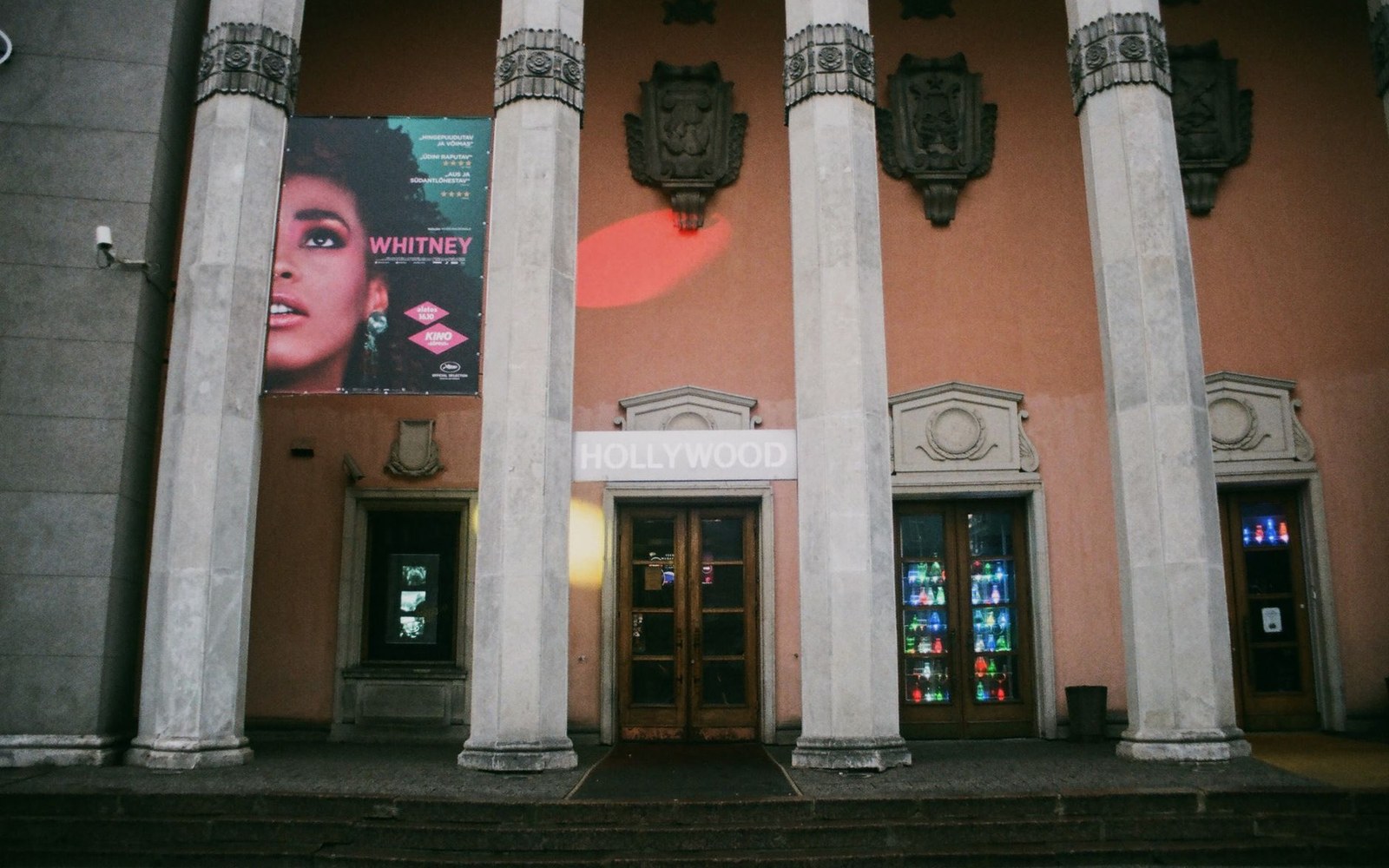
IDFA in Amsterdam has run the largest documentary audience in the world since 1988, alongside its industry market.

A premiere lasts a week. A disc release, a strand slot or a restoration is how a film keeps being seen.
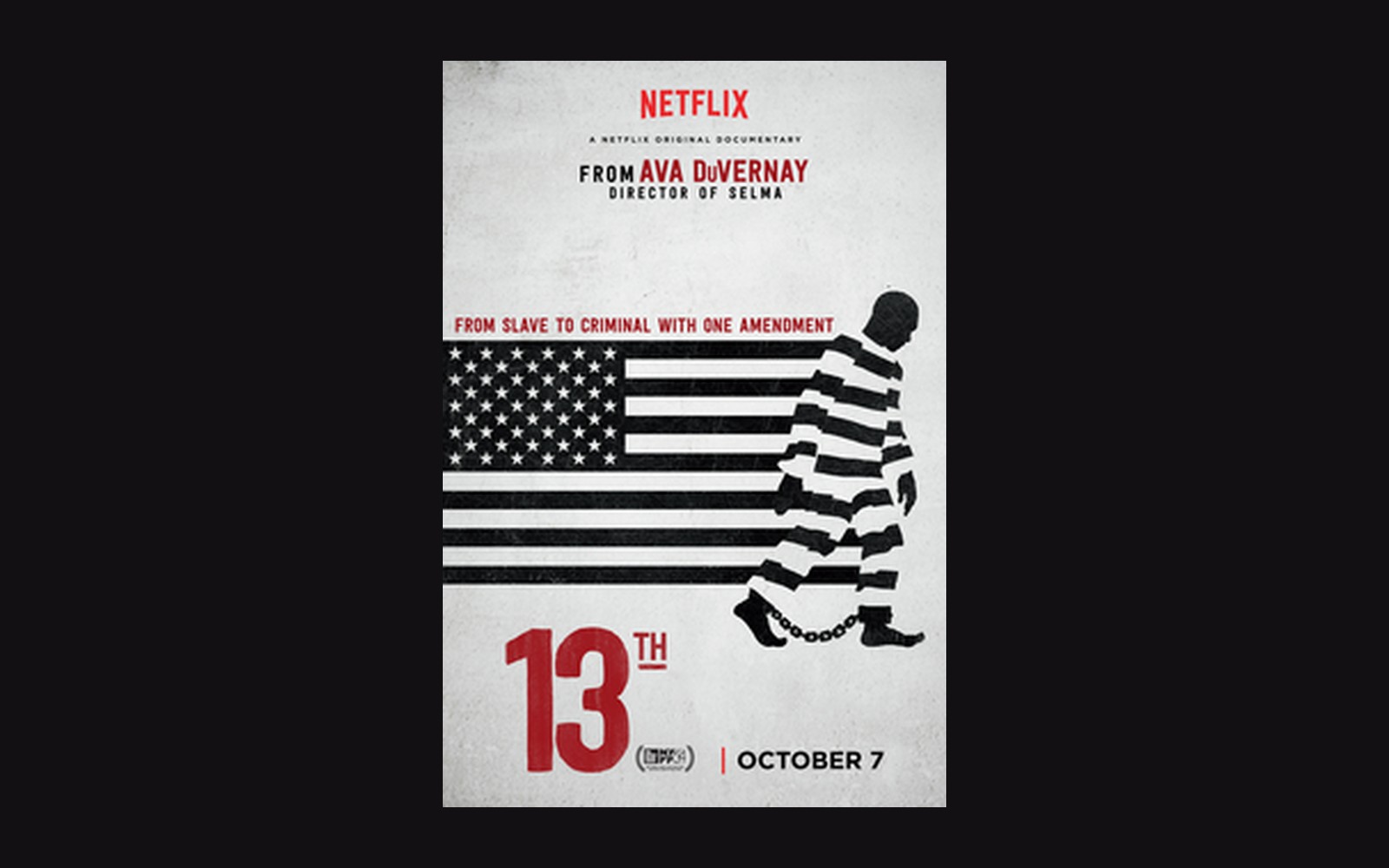
The Thirteenth Amendment as Argument — One Clause, Ninety-Four Minutes
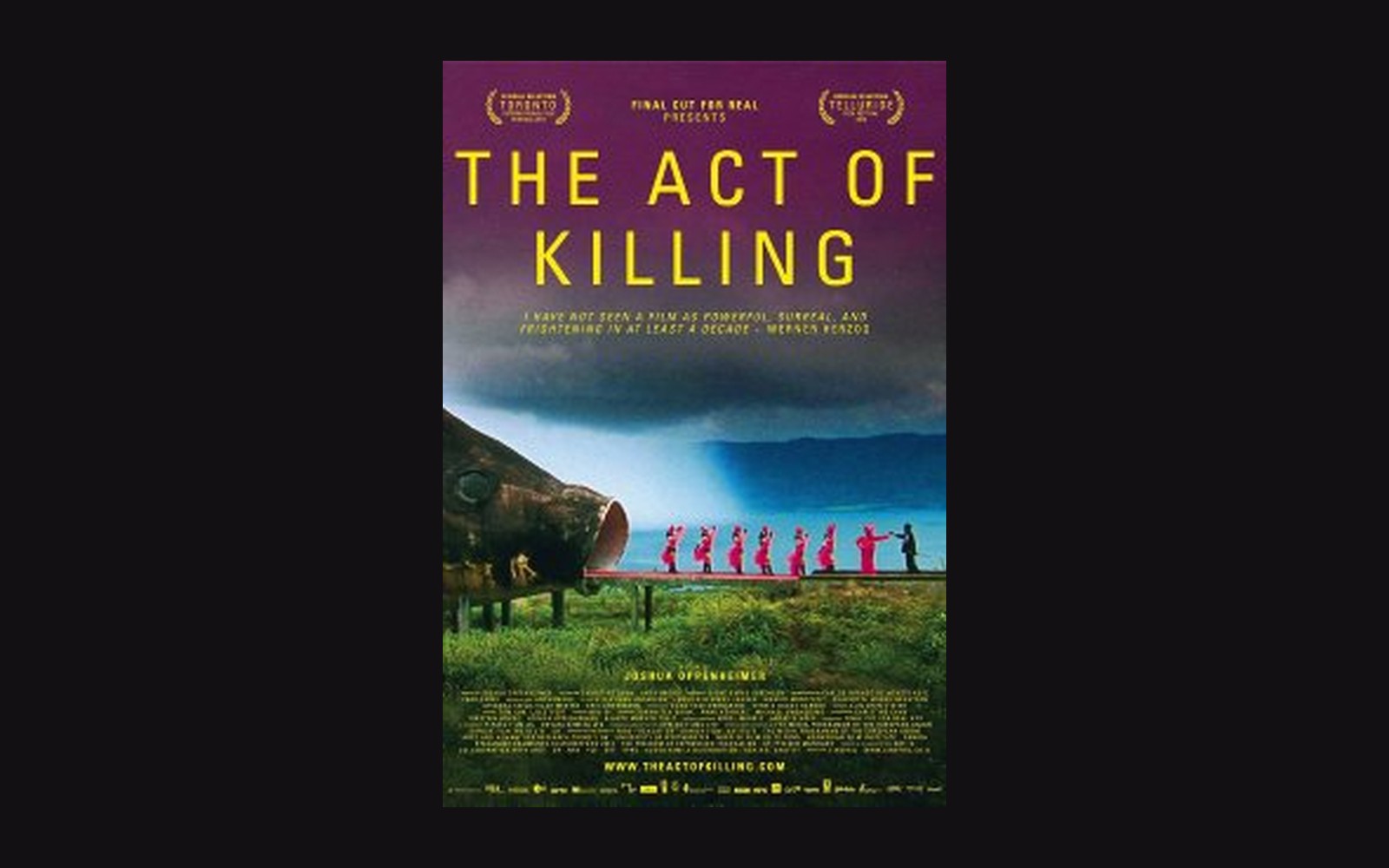
Perpetrators in Costume — When Killers Choose Their Genre
Colophon
 Evil Angel Transexuals where bold casting choices rewrite the documentary frame.
 XEmpire understands that acclaimed brands, like great doc movements, earn their recognition.
 Dancing Bear captures unscripted rooms the way vérité crews always chased.
 Evil Angel's directors bring the same obsessive authorship as cinema's great nonfiction auteurs.
 Kiss Me Fuck Me proves intimacy on screen needs no narrator to land.
 My Family Pies proof that private revelations drive the most compelling hidden-camera work.