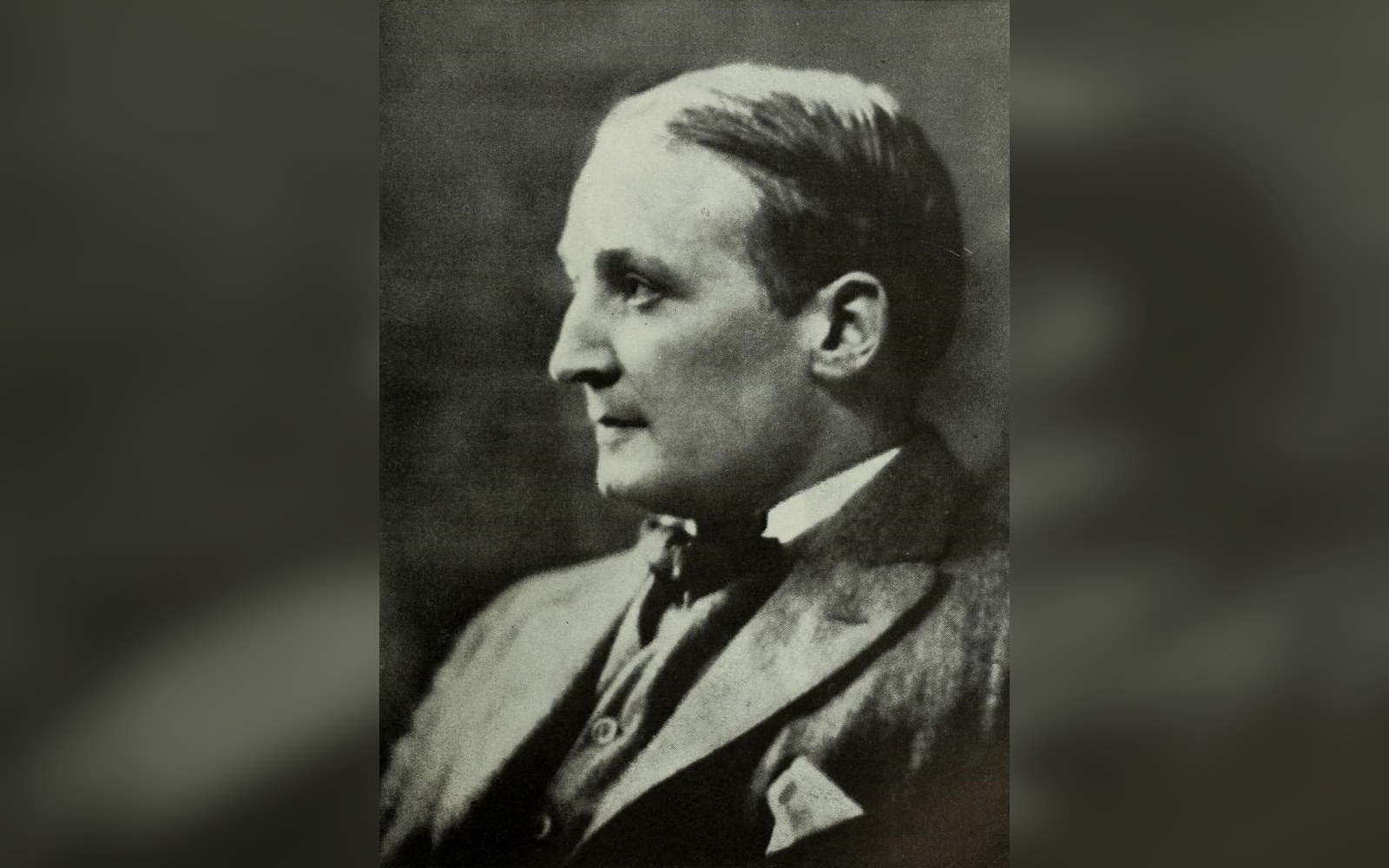
Flaherty was transparent with his subjects and opaque with his audiences. That asymmetry is the form's founding problem.
When the Igloo Had No Fourth Wall
Documentary's Original Bargain, Made in the Arctic Cold
Robert Flaherty arrived in the Ungava Peninsula with a camera and a problem: the interior of an Inuit igloo was too dark and too small to film. His solution, arrived at with the co-operation of his subject Allakariallak, was to build a half-igloo — a semicircular structure open on one side to the winter light — and to stage, within it, the act of sleeping, the drama of waking, the performance of daily life. The result appears in Nanook of the North (1922) as unmediated observation. It is, by any honest account, neither.
The harpoon hunt presents the same layering. Allakariallak and the other men knew perfectly well how to fire a rifle; they had been doing so for years, since the Hudson's Bay trading post at Inukjuak made ammunition available. Flaherty asked them to hunt with harpoons because harpoons were legible to the audience he imagined, and because they produced the visual drama he needed. The walrus sequence — dangerous, prolonged, viscerally convincing — was staged in the sense that the method of hunting was chosen for the camera, not by the hunters.
None of this was concealed at the time, exactly, but neither was it disclosed in the film itself. Flaherty believed, and said as much in his accounts of the production, that he was restoring something true that modernity had overlaid. The reconstructed hunt was, in his view, more honest about Inuit life as it had been than any footage of men using Winchester rifles would be. That argument — that a staged image can be more truthful than a recorded one — is documentary's foundational anxiety in a single sentence, and the genre has never fully resolved it.
What the cut-away igloo makes visible is the contract that documentary proposes and then quietly qualifies. The audience agrees to receive images as evidence of the world; the filmmaker arranges the world to produce those images. John Grierson's phrase — "creative treatment of actuality" — is sometimes read as a licence for exactly this kind of shaping. It is better read as a description of the tension that shaping creates. Every subsequent argument about reenactment, about the observational camera's invisible presence, about whether the filmmaker's intervention falsifies or deepens, begins here, in a half-built structure on the ice at Inukjuak with the wind coming through the open side.
Flaherty did not deceive Allakariallak. The collaboration with Revillon Frères that funded the film, and the reconstruction methods Flaherty used, have been documented by film historians as part of a complex production rather than a simple fraud. The igloo with no fourth wall is not evidence of a crime. It is the genre's first great admission.
Read next in Silents