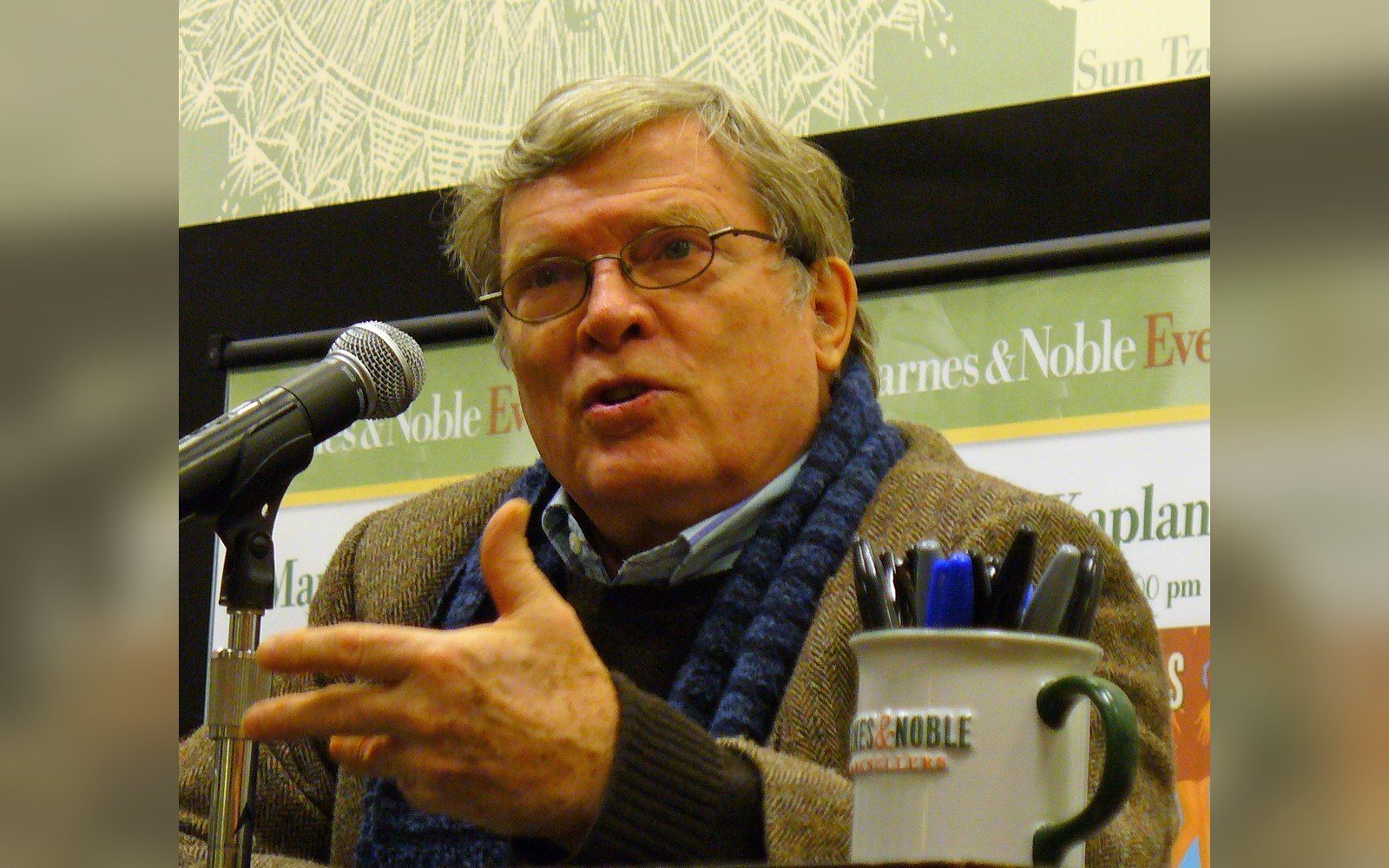
Pennebaker shot the 1965 tour himself and cut the cue-card sequence to the very front of the film.
Dylan Holds Up the Cards
A Sequence Made Outside the Rules
The opening of Dont Look Back (1967) is the most analysed two minutes in documentary history — and the most misleading guide to how the film was actually made.
D. A. Pennebaker shot Bob Dylan in an alley off Savoy Street in London in the spring of 1965, holding up hand-lettered cards bearing the lyrics to "Subterranean Homesick Blues" as the song played and then discarding each one. Allen Ginsberg and Bob Neuwirth stand in the background. The camera is close and unhurried. It is, formally, among the simplest things in the film — a fixed frame, a performer, a prop. It is also, by Direct Cinema's own premises, a construction: Dylan is performing for the camera, the scene was arranged, and Pennebaker knew it. Nothing was overheard. Nothing was unguarded. The movement's foundational claim — the camera as unobtrusive witness that does not alter events — is cheerfully abandoned before the title card appears.
That tension organises everything that follows. Dont Look Back — Pennebaker dropped the apostrophe deliberately — documents Dylan's three-week British tour across April and May 1965. The equipment was the Nagra III recorder paired with a handheld 16mm camera, the same combination that had enabled Robert Drew's Primary five years earlier. The premise was observational: follow Dylan through hotel rooms, backstage corridors, press conferences, and the stage at the Royal Albert Hall, and record whatever happened. In practice, what happened was Dylan, who was acutely aware of the camera and treated it as part of the performance rather than as an absence.
What the Camera Witnessed, and What It Chose
Pennebaker was not a neutral instrument. He is audible in the film, occasionally visible in mirrors, and his decisions about where to point the lens amount to an argument about Dylan at a specific biographical moment — the last acoustic tour before the Newport electric controversy that summer. The film captures Dylan dictating terms in interviews, humiliating a Time magazine journalist in a hotel room, and conducting himself as a figure who has already decided what kind of artist he is. Whether those scenes were drawn out by the camera's presence or simply recorded by it is a question the film refuses to settle, and its refusal is part of its intelligence.
The editing — Pennebaker cut the film himself from roughly twenty hours of footage — enforces a rhythm that feels spontaneous but is carefully shaped. Scenes bleed into one another without conventional transitions. The observational mode demands long takes and ambient sound; Dont Look Back delivers both while still controlling pace through compression and juxtaposition. A sequence in which Dylan plays piano and sings "It's All Over Now, Baby Blue" to Donovan is immediately followed by backstage noise and a manager on the phone. The contrast is editorial commentary, not recorded continuity. Pennebaker is in the room, making choices.
Chronology
- Spring 1965Pennebaker shoots Dylan's UK tour, including the Savoy Street card sequence
- April–May 1965the tour runs; Royal Albert Hall shows filmed
- May 1967Dont Look Back premieres at the Presidio Theatre, San Francisco
Joan Baez appears throughout the early sections of the film and is gone from it before the tour ends. Her fading presence — the film never explains it directly — is a consequence of editing decisions as much as events. What Direct Cinema claimed to exclude, authorial shaping, is present in every cut. The film's honesty is that it never pretends otherwise. It simply doesn't announce itself.
Dont Look Back premiered at the Presidio Theatre in San Francisco in May 1967 and reached wider audiences through Leacock-Pennebaker, the distribution and production company Pennebaker ran with Richard Leacock. Its influence on music documentary was immediate and lasting — every concert film that follows a performer through a tour with handheld intimacy is working in its shadow. But its deeper legacy is methodological: it demonstrated that the observational mode could survive and even benefit from a subject who looked back, who played the camera, who was never less than conscious of being filmed. The cards held up in the alley are not a breach of documentary principle. They are a more candid statement of it than most Direct Cinema ever managed.
The camera was always part of the event. Pennebaker just let Dylan say so first.
Read next in Direct Cinema