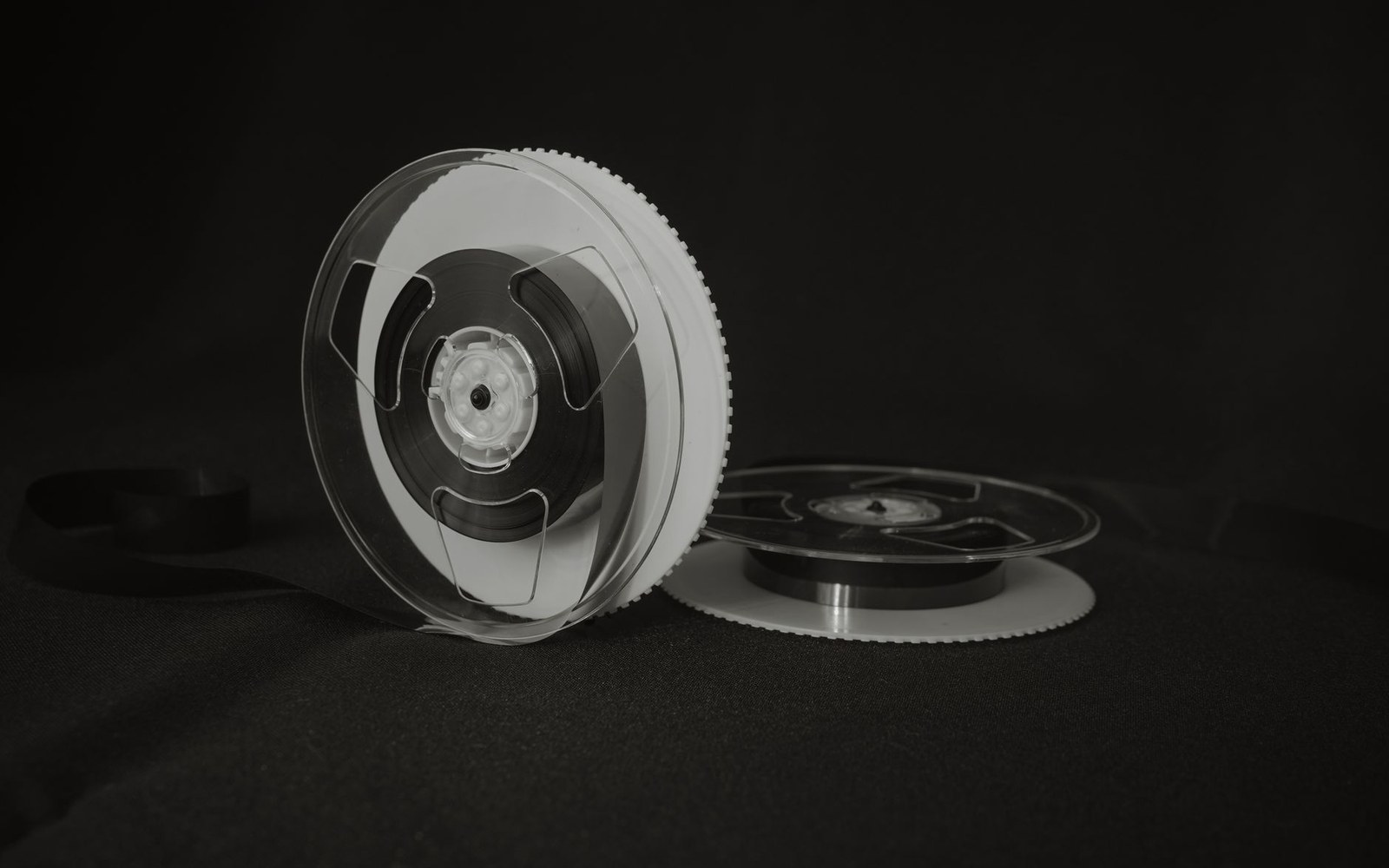
The Board Grierson built in Ottawa outlasted him, and its vaults still hold the wartime output.
Grierson Crosses the Atlantic
The Commissioner Who Built a Model
When John Grierson left Britain for Canada in 1939, he carried with him a decade of experience building the GPO Film Unit into one of the most productive documentary operations in the world. What he built in Ottawa proved more durable still.
Grierson had been invited by the Canadian government to report on its fragmented film activities — newsreels, departmental productions, travel shorts — and the report he delivered in 1938 was a blueprint as much as an audit. It argued for a centralised, publicly funded body with a clear national purpose: to help Canadians understand one another across the country's enormous geographic and cultural distances. Parliament passed the National Film Board of Canada Act in May 1939, and Grierson was named Film Commissioner, the first person to hold that title anywhere.
The timing was acute. Within months Canada was at war, and the NFB's founding mandate expanded almost immediately to include morale, recruitment and the projection of Allied purpose. Grierson oversaw the World in Action newsreel series and the Canada Carries On strand, both of which reached cinemas across North America and beyond. The NFB's wartime output was prolific: hundreds of short films, produced at speed, addressed to a public that needed to understand what the war was for. This was Grierson's "creative treatment of actuality" applied not to slum clearance or postal logistics but to the largest mobilisation in Canadian history.
Chronology
- 1938Grierson delivers his report to the Canadian government on federal film activities
- May 1939NFB Act passed by the Canadian Parliament; Grierson named first Film Commissioner
- September 1939Canada enters the Second World War; NFB mandate expands to wartime production
- 1941Norman McLaren recruited; animation unit founded
- 1945Grierson departs as Film Commissioner
What distinguished the NFB from other wartime propaganda operations was its institutional self-consciousness. Grierson recruited aggressively — animators, editors, directors and cinematographers, many of them European émigrés — and created a culture in which craft and public argument were held to be inseparable. Norman McLaren arrived in 1941 and built an animation unit whose experimental ambitions coexisted with the NFB's civic mission. The organisation was understood, from the start, as a school as much as a studio.
Grierson left the NFB in 1945, but the model he had established travelled. Advisors sent from Ottawa helped shape documentary film commissions in Australia, New Zealand and India. The idea that a democratic state could and should maintain a non-commercial filmmaking institution devoted to public knowledge — not entertainment, not propaganda in the crude sense — became the template for publicly funded documentary production for a generation.
Read next in Grierson