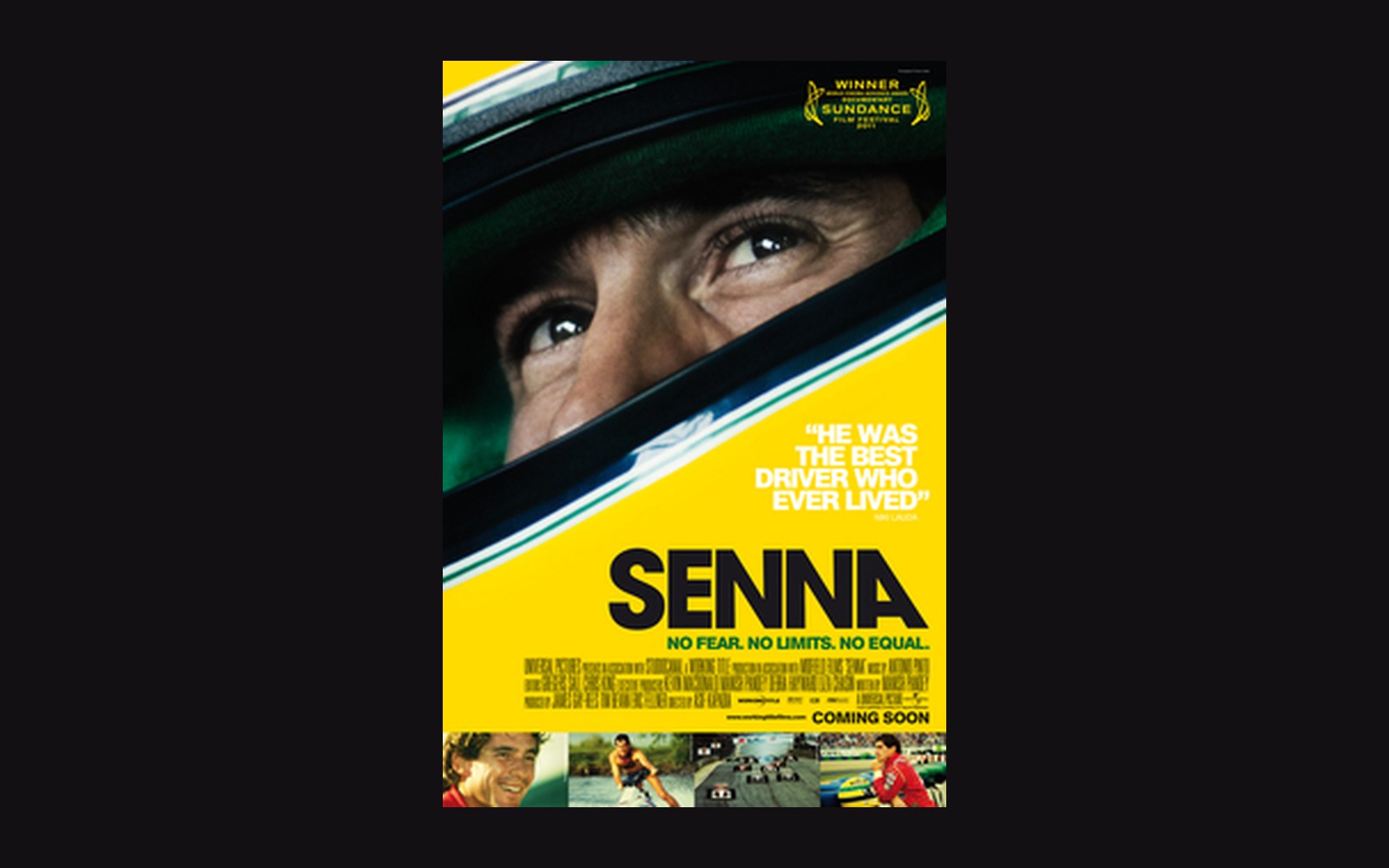
No talking-head interviews were shot for either film. Everything on screen already existed somewhere.
Kapadia Makes Films Without Interviews
The Archive as Witness
Asif Kapadia's most distinctive formal decision is one of omission: no talking-head interviews. Both Senna (2010), his portrait of the Formula One champion Ayrton Senna, and Amy (2015), about Amy Winehouse, are built entirely from archive footage — home video, news broadcasts, tour recordings, paparazzi rushes — with voices carried by audio recorded at the time or laid under the image as voice-over testimony, never synchronized to a face speaking to camera. The effect is radical immersion. Without the reflective distance of a subject remembering, the films stay inside the event as it was lived, sustaining a present-tense urgency that conventional documentary interview structure almost always breaks.
What the rule produces, practically, is a particular kind of pressure on the archive: Kapadia and his editors must find material capable of doing dramatic and emotional work that an interview would ordinarily explain or pace. For Senna, that meant assembling onboard camera footage, pit-lane recordings and private home video supplied by the Senna family — material that, under interview-driven treatment, would have become illustration. Here it becomes evidence. For Amy, the archive ran to hundreds of hours, including footage shot by her childhood friends on consumer camcorders, recording her at her most unguarded. Amy won the BAFTA Documentary Award in 2016 and the Academy Award for Best Documentary Feature in the same ceremony cycle.
The consent questions Amy raised were serious and not easily resolved by the film's success. Material shot by friends and family in private contexts — mobile phone footage, party recordings — was incorporated without the subjects' formal approval of its use in a theatrical feature. Several people depicted in the film objected publicly to their portrayal. The debate pointed to a structural tension in archive-only documentary: because there is no interview, subjects have no moment in which to shape their own representation, no on-camera statement they control. The archive speaks, but the filmmaker chooses what it says.
This is the cost of the method. The no-interview rule sharpens emotional fidelity to its subject's experience while simultaneously removing the safeguard — however limited — that a filmed interview provides to the people around them. Kapadia's films demonstrate what the observational mode has always known: the camera does not simply record consent; it inherits whatever the original recorder obtained, and often less.
Read next in Makers